UdyamGita

The Gita Blueprint for Leading and Winning in Business

UdyamGita

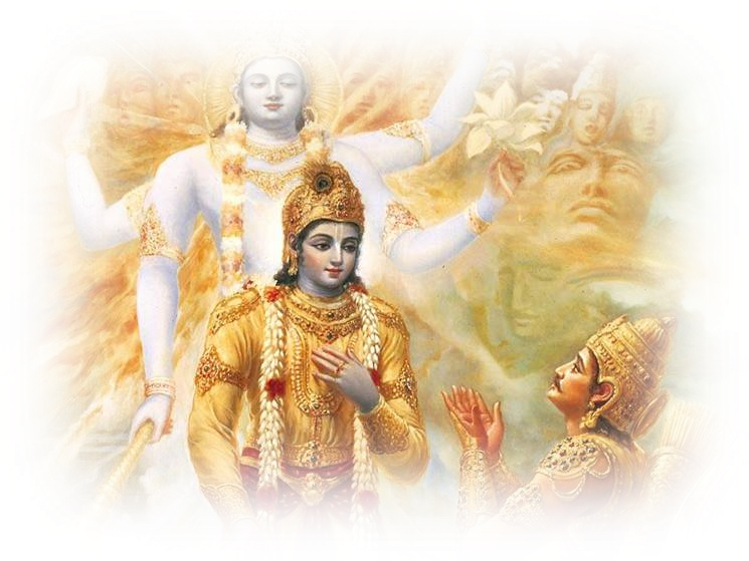
Arjuna Viṣhāda Yoga

Chapter 1 - Verse 32
न काङ्क्षे विजयं कृष्ण न च राज्यं सुखानि च |
किं नो राज्येन गोविन्द किं भोगैर्जीवितेन वा || 32||

Translation

O Krishna! I do not aspire for victory, kingdom, or happiness. O!
Govinda! What use is this kingdom, luxuries, or even living?

Unfiltered First Take

When you focus on pain, you start believing that the pain is very big, and going through that pain to gain anything feels meaningless.

But when you focus on the benefits you may gain after going through the pain, you begin to see the bigger picture and build the courage to deal with it.

Here, Arjuna’s thoughts are self centric. He is not seeing the benefits he can bring to the world after the Dharma Yudh. He is only thinking about the pain he has to go through and questioning the need for any outcome at all.

Even though the pain is personal and impacts only you, the outcome of enduring that pain may create a better life and a brighter future for many others.

For example, when a business is on the verge of closure, the founder may feel like shutting it down to avoid further losses. However, if the founder puts in the effort, not only can the business be saved, it can also grow and excel. If the founder focuses only on the effort as pain, they may fail to see the outcome and the positive difference that success can bring to the lives of employees, vendors, and partners.

A founder cannot afford to be self centric at any point in time. Self centric thinking takes away the larger picture and weakens the ability to make impactful decisions.

UdyamGita Interpretation

Overwhelmed by sorrow and moral conflict, Arjuna reaches a point of emotional withdrawal. He tells Krishna that he no longer desires victory, kingdom, or the pleasures that might follow. The very outcomes that once justified the war now appear meaningless to him.

This is not renunciation born of wisdom—it is renunciation born of pain.

Business Insight

When pain dominates attention, rewards lose relevance.

At such moments, leaders start believing that no outcome is worth the effort required to endure the struggle. The pain feels immediate and real; the benefits feel distant and abstract. As a result, even meaningful goals begin to look pointless.

In business, founders often reach this stage during prolonged stress—financial strain, people issues, or repeated setbacks. The temptation is to walk away, not because the goal lacks value, but because the cost feels unbearable in the present moment.

Pain narrows vision. Purpose expands it.

Leadership Lesson

Arjuna’s thinking here becomes self-centric, though understandably so. He evaluates the war only in terms of his own suffering and his own gains. What disappears from view is the larger impact of his action—or inaction—on society, on Dharma, and on future generations.

Leadership, however, demands the ability to see beyond personal discomfort. While pain is individual, the outcomes of leadership decisions are collective. Avoiding pain may protect the leader temporarily, but it can deprive many others of stability, growth, and justice.

In business, a founder who shuts down prematurely may escape further effort—but at the cost of employees’ livelihoods, partners’ futures, and unrealized potential. When leaders shift focus from “What will I suffer?” to “Whom will this help?”, courage re-emerges.

Leadership is not about denying pain—it is about placing pain in service of a larger good.

Key Takeaways

  • Pain distorts perspective: When suffering dominates, rewards feel meaningless.
  • Purpose restores courage: Seeing the larger impact makes pain bearable.
  • Self-centric thinking limits leadership: Great leaders look beyond personal cost.
  • Outcomes affect many, not just the leader: Decisions ripple across lives and systems.
  • Leadership demands bigger vision: Temporary discomfort can enable lasting good.

Comments & Reviews

Share Your Thoughts

Comments (0)

No comments yet. Be the first to share your thoughts!

Share this Verse